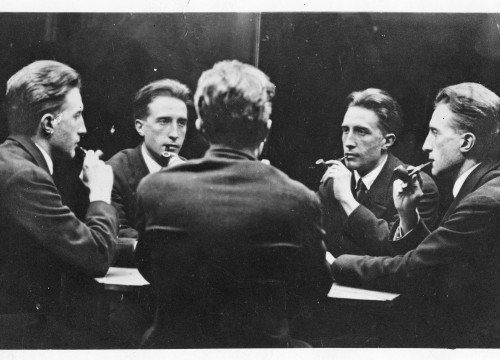
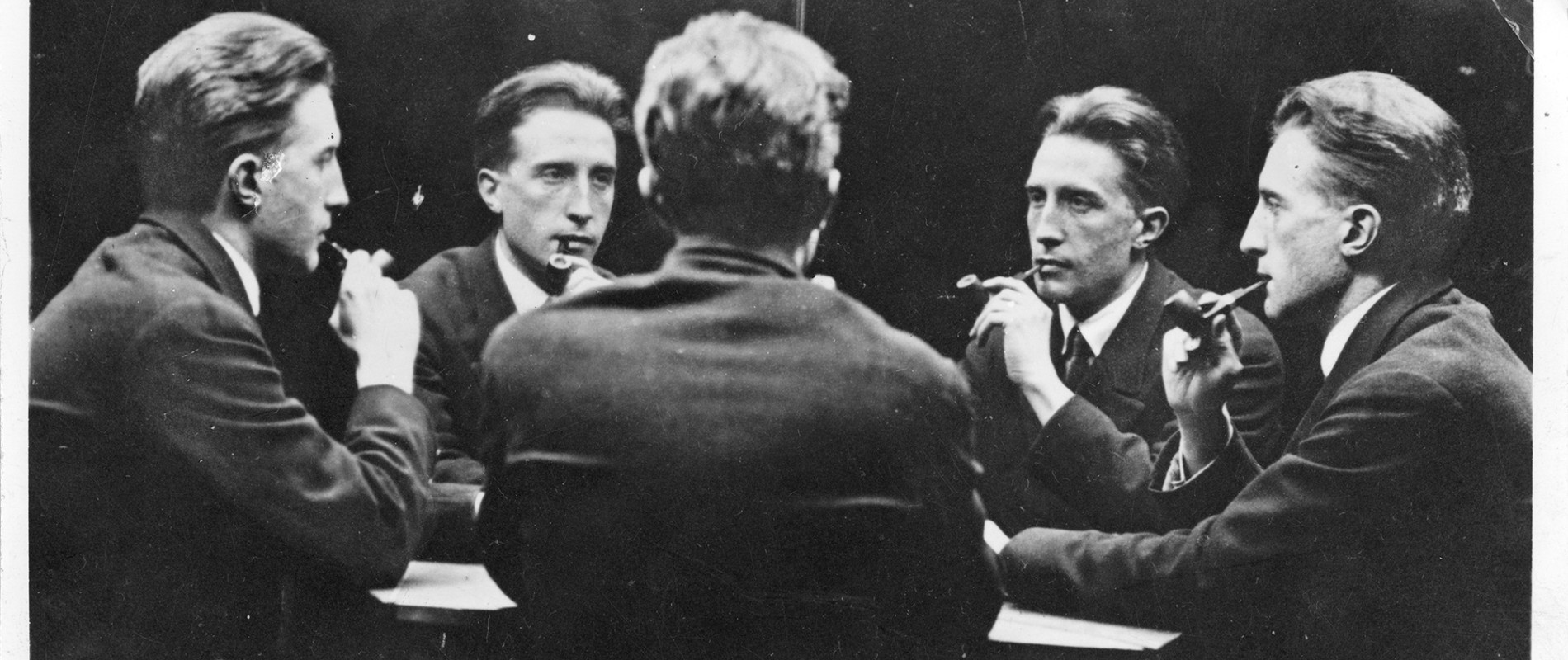
The exhibition aims to be the master’s first retrospective in the United States in over fifty years
Entering the penultimate room on the sixth floor of the MoMA, Marcel’s face looks back at us in silence. At first, he is serious and almost motionless, staring directly into the camera. Then, slowly, his eyes move, his gaze wandering left and right; he stares upon and recognizes something beyond the semi-serious boundary separating representation from reality. His lips then curl, his expression turning sly: Marcel chuckles, brings a finger to his lips, and asks for silence. To whom? To the ghosts who, at the moment of recording, shared fragments of his space and time? Or to us? Are we those ghosts? Simply titled “Marcel Duchamp” (MoMA, running until August 22), the exhibition aims to be the first major Duchamp retrospective in the United States in over fifty years.
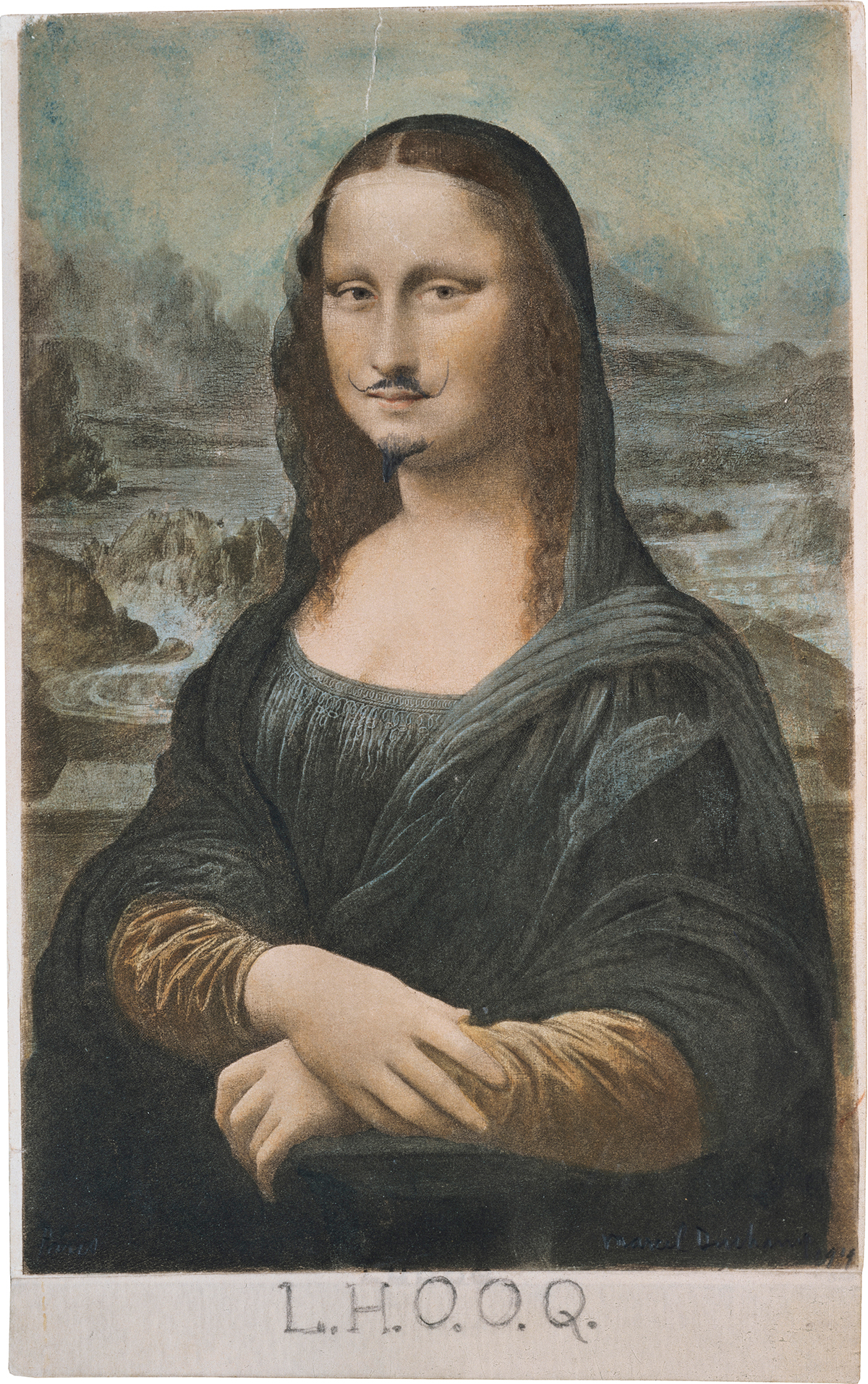
Those who know him only through his ready-mades and the moustachioed Mona Lisa now have the opportunity to discover his early works
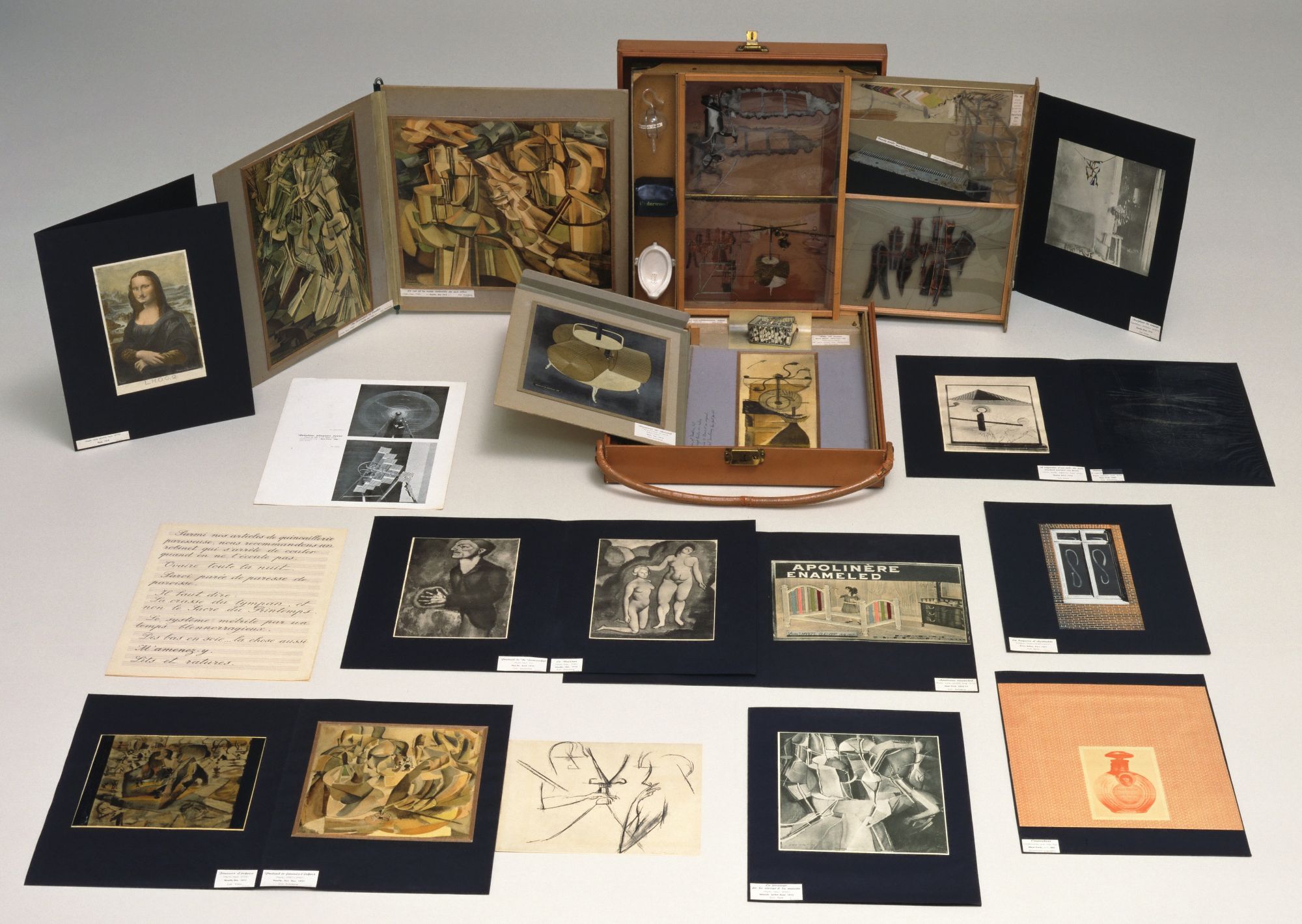
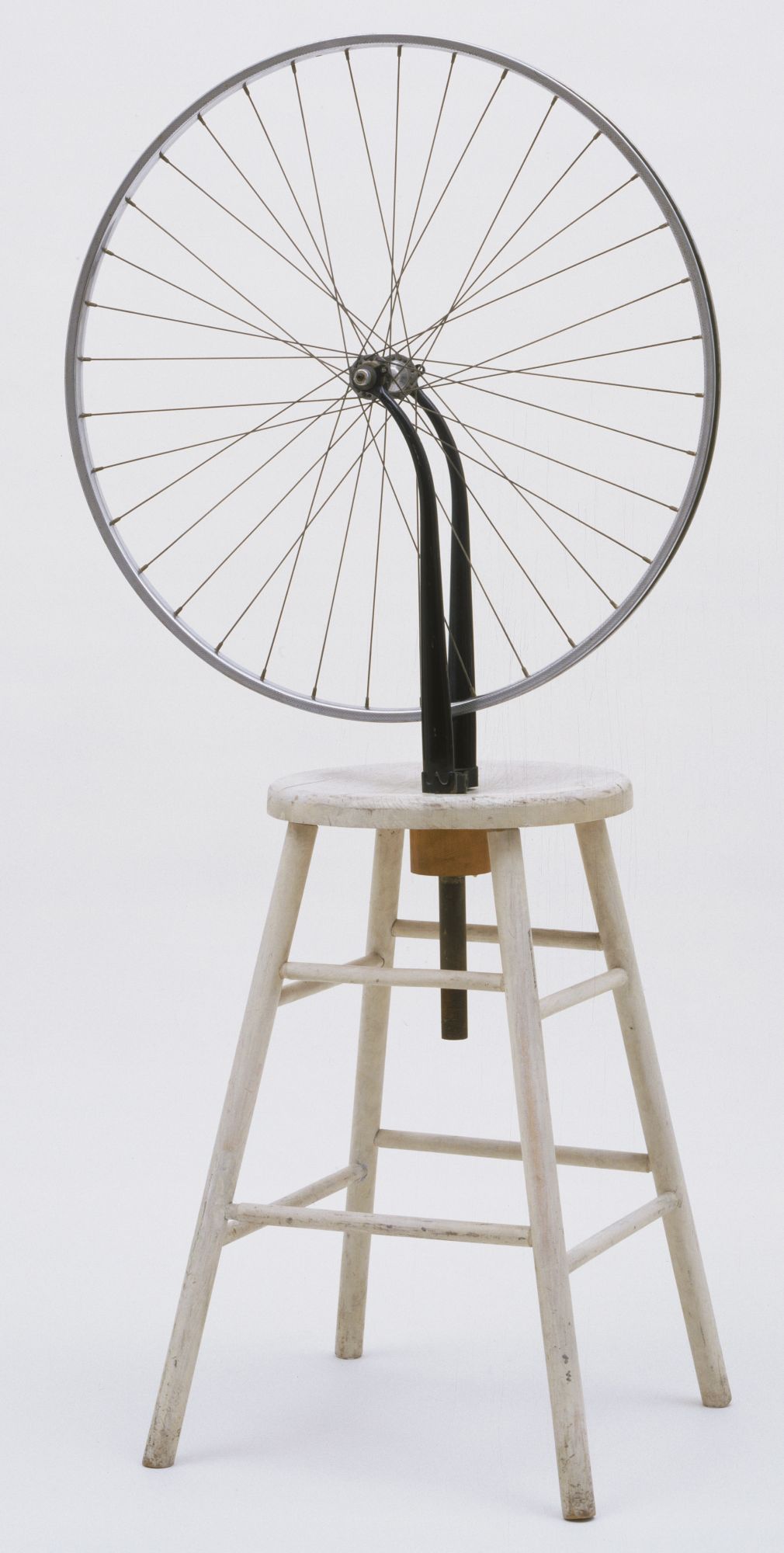
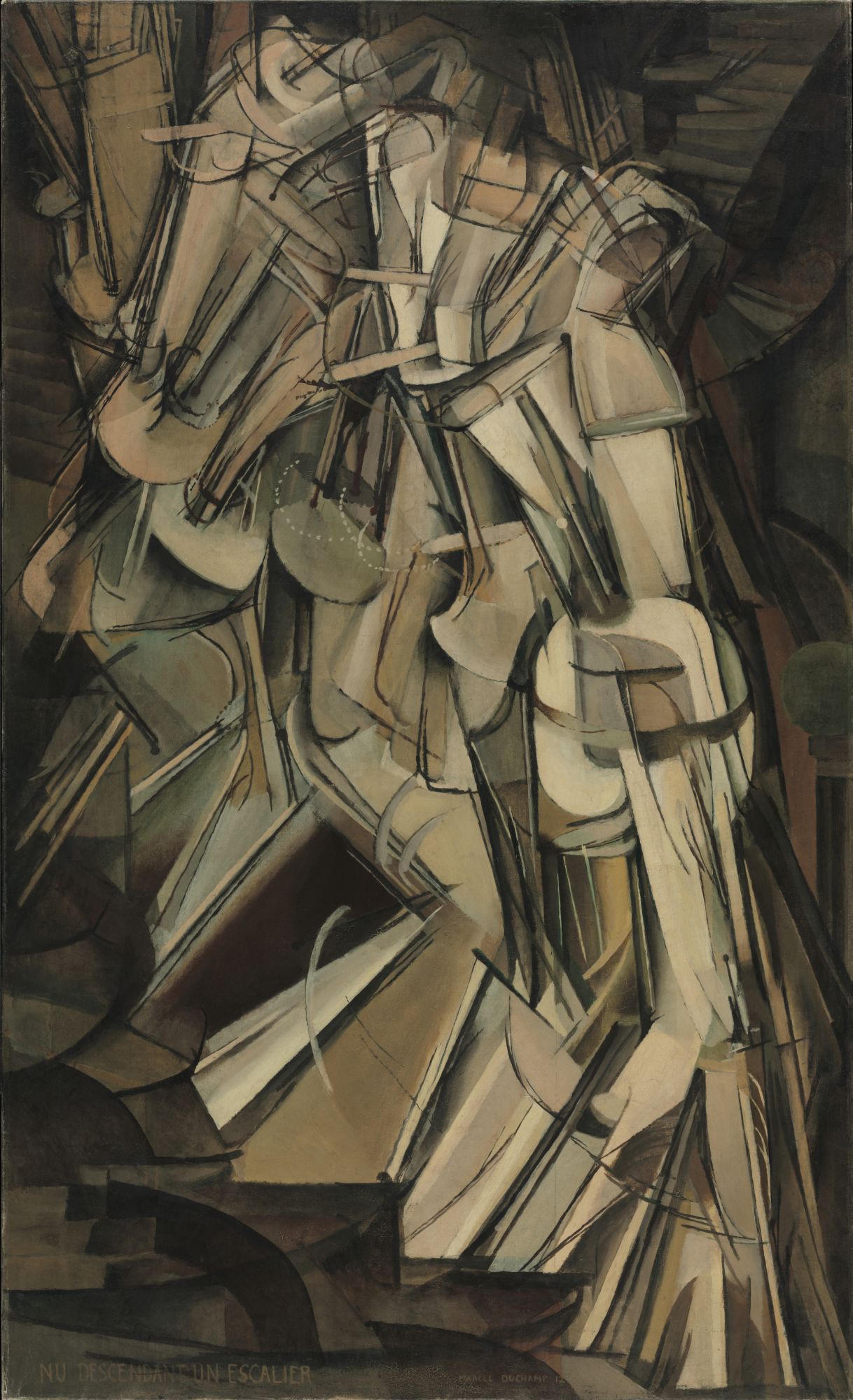
This is partly true, thanks to outstanding loans from institutions like the Centre Pompidou and the excellent curation mapping out Duchamp’s long artistic career. Those who know his work solely through his ready-mades and the mustachioed Mona Lisa will have the chance - perhaps for the first time - to engage with Marcel’s early pieces and his figurative experimentation before he transitioned into the more conceptual phase of his career. From Matisse and Degas to Fauvism, Futurism, Cubism, and Surrealism, Duchamp absorbed everything from the great masters like a sponge, anticipating experimentation and trends, and reaching heights untouched even by the leading figures of those movements - before moving on to something else. Furthermore, even those well aware that most post-war and contemporary art is largely nothing more than a footnote to Duchamp’s research will still find reason to marvel in the section dedicated to the Box in a Valise (1935–41).
Matisse and Degas, Fauvism, Futurism, Cubism, and Surrealism: Duchamp absorbed everything from the great masters like a sponge, anticipating trends and experimentation
These are suitcases and portable museums in which the artist packed miniatures reproducing a lifetime of work just before and during World War II. The exhibition also does what it can to evoke some looming absences: The Large Glass (1915–23) and Étant donnés (1946–1966), both housed in the nearby Philadelphia Museum of Art - the source of many works on display and the true, permanent Duchamp retrospective in the United States. While admirable in its rigor, the reconstruction of the artist’s long and grueling conceptual process to complete these two masterpieces cannot quite fill the void left for anyone who has had the good fortune of seeing them in person in Philadelphia. A final reflection should be made regarding the prices: while thirty dollars is a reasonable fee for an admission ticket, seventy-five dollars for a catalog - despite featuring over nine hundred illustrations - is truly too steep for an exhibition whose goal should be making a great master’s entire artistic corpus accessible to the general public.
In the section dedicated to the Box in a Valise, we find suitcases packed with miniatures that reproduce a lifetime of work
![FRIDA KAHLO - Untitled [Self-portrait with thorn necklace and hummingbird] 1940, Nickolas Muray, Collection of Mexican Art](/sites/default/files/styles/latest_articles/public/articoli/what/mythical-frida-london-major-kahlo-exhibition-tate-modern/mythical-frida-london-major-kahlo-exhibition-tate-modern.jpg?itok=lTX1uQ5J "FRIDA KAHLO - Untitled [Self-portrait with thorn necklace and hummingbird] 1940, Nickolas Muray, Collection of Mexican Art")