![FRIDA KAHLO - Untitled [Self-portrait with thorn necklace and hummingbird] 1940, Nickolas Muray, Collection of Mexican Art](/sites/default/files/styles/home_slider/public/articoli/what/mythical-frida-london-major-kahlo-exhibition-tate-modern/mythical-frida-london-major-kahlo-exhibition-tate-modern.jpg?itok=OhSUBJ9q "FRIDA KAHLO - Untitled [Self-portrait with thorn necklace and hummingbird] 1940, Nickolas Muray, Collection of Mexican Art")
On display, 30 self-portraits, archival documents, photographs, memorabilia, over 200 works by artists she inspired, and just as many examples of “Fridamania”
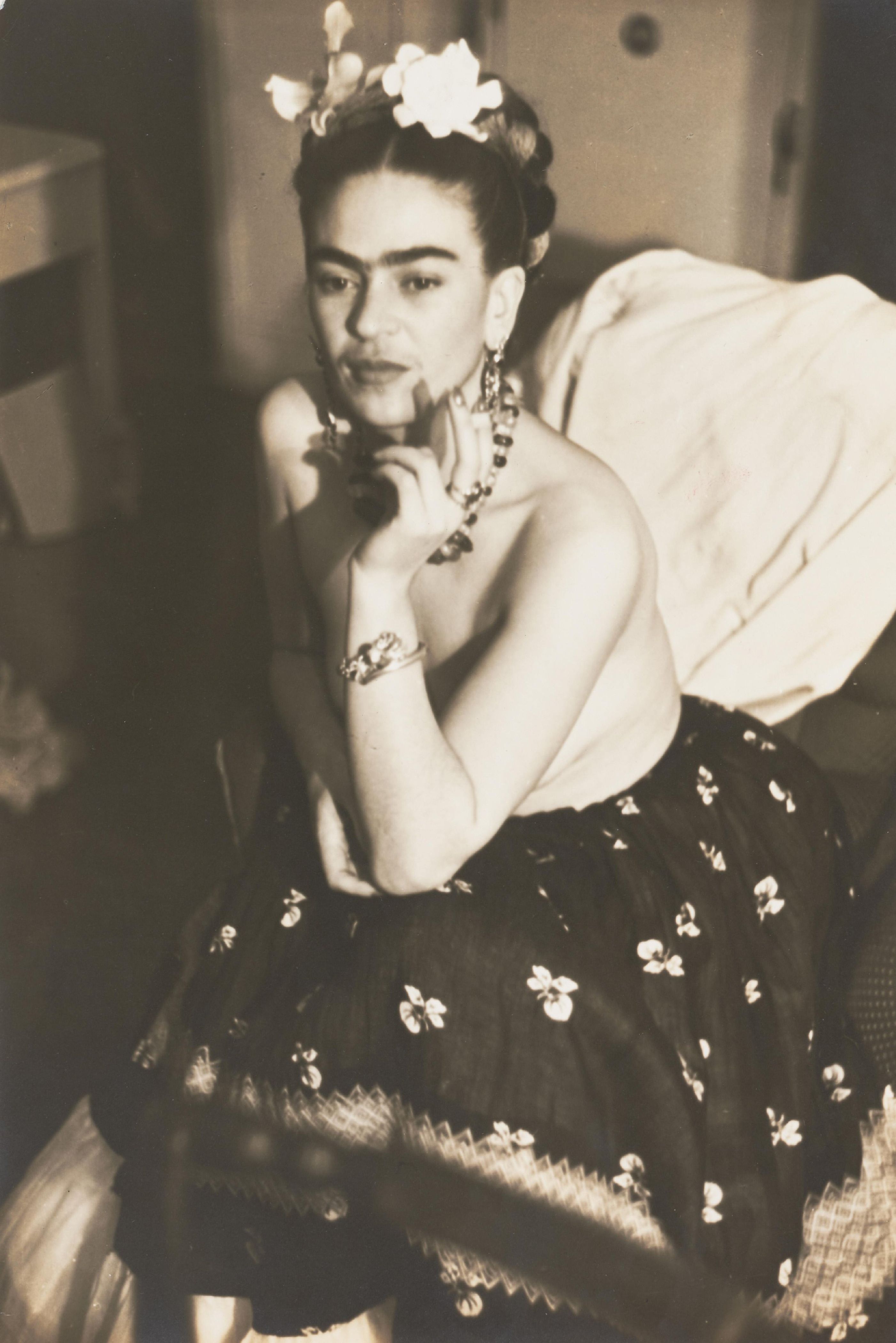
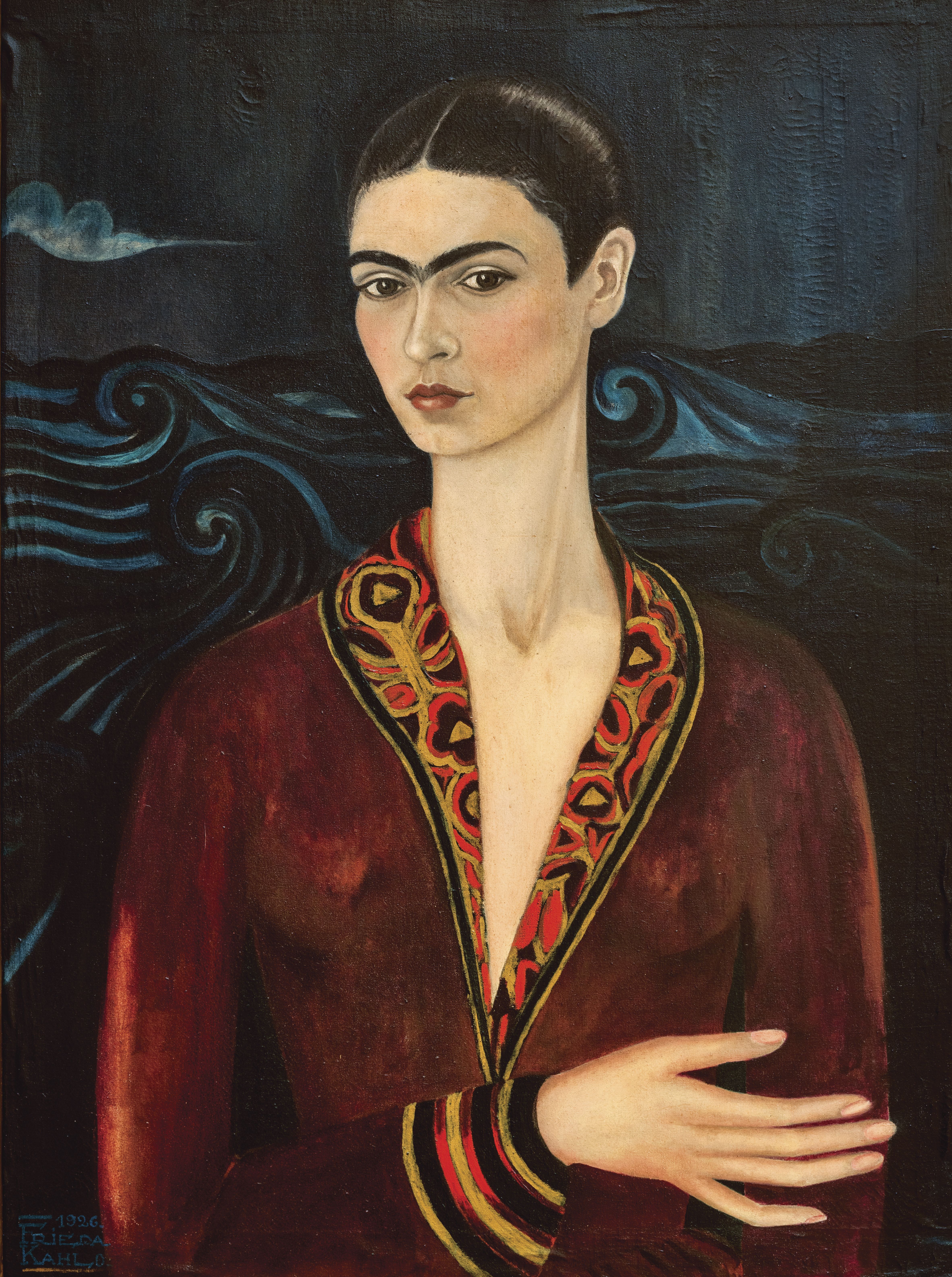
The exhibition “Frida: The Making of an Icon” is currently underway at the Tate Modern. The exhibition pathway highlights the multiple facets of her complex personality, while simultaneously distinguishing her artistic output from mass-produced objects and the phenomenon of “Fridamania”. Several factors that acted as a catalyst for the extraordinary rise of her cultural legacy are presented. The first, around 1950, concerns the transformation of the Casa Azul - Frida’s studio and residence - into a museum, thereby offering visitors a direct physical and spiritual connection. The second consists of the 1983 publication of Hayden Herrera’s “Frida: A Biography of Frida Kahlo”. Translated into dozens of languages, it made the artist renowned and a household name worldwide. On display are 30 self-portraits, archival documents, photographs, memorabilia, over 200 works by artists inspired by her, and just as many examples of “Fridamania”.
With Rivera, a tumultuous relationship marked by mutual infidelities, culminating in his painful betrayal with her sister
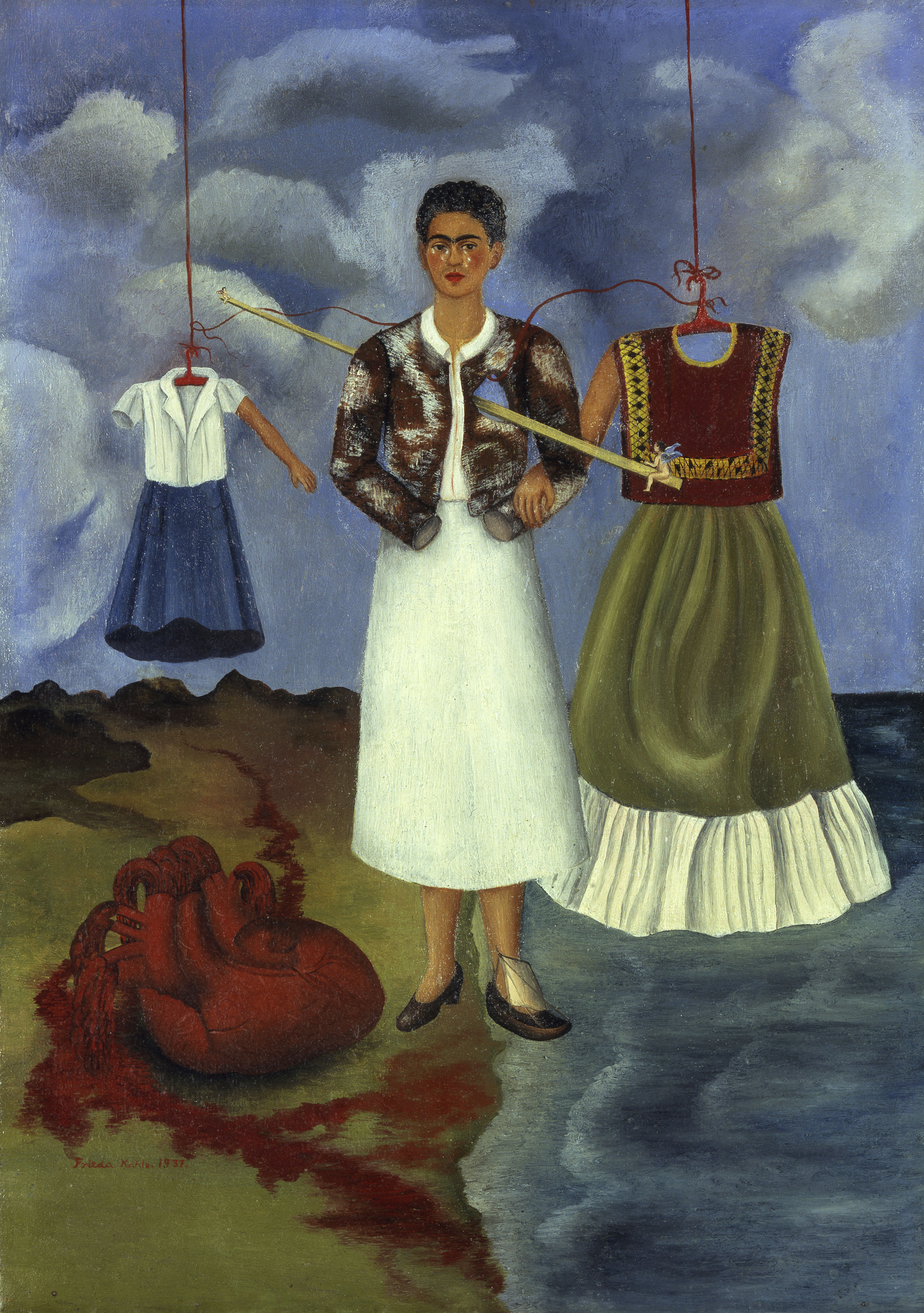
Born on July 6, 1907, in Mexico City, she contracted polio at the age of six. The pathology left her right leg thinner and weaker, frequently confining her to bed. The ensuing periods of rehabilitation shaped her resilience and reinforced her self-image. In 1925, she was among the few women admitted to Mexico City’s prestigious Escuela Nacional Preparatoria. That same year, her life changed course: she was nearly killed in a bus accident that left her severely disabled. She would undergo thirty surgeries, long periods of immobilization, and excruciating pain. All of this would have a profound impact on her and her art. During her convalescence, she began to paint and became politically active. She joined the Communist Party, met Diego Rivera, and married him in 1929. It was a tumultuous, unconventional union, marked by numerous separations, mutual infidelities, a divorce in 1939, and a remarriage in 1940. The painting The Heart (Memory) addresses the themes of betrayal, identity, and suffering, particularly following Rivera’s affair with her sister Cristina. In 1939, the Louvre acquired The Frame, a self-portrait painted in 1938, making her the first living 20th-century Mexican artist to be acquired by the museum.
At age six she contracts polio; at eighteen, a bus accident leaves her disabled
Throughout the 1940s, her fame grew hand in hand with the decline of her health. She would continue to be active in various social causes until her death in July 1954. Having become an icon appropriated by many, Frida confirms both her artistic appeal and her massive commercial success. Few creators have shaped popular culture as profoundly as she has, and the intensity of her works inevitably continues to attract the widest possible audience.
She marries Rivera in '29, divorces in '39, and remarries him in '40
![FRIDA KAHLO - Untitled [Self-portrait with thorn necklace and hummingbird] 1940, Nickolas Muray, Collection of Mexican Art](/sites/default/files/styles/latest_articles/public/articoli/what/mythical-frida-london-major-kahlo-exhibition-tate-modern/mythical-frida-london-major-kahlo-exhibition-tate-modern.jpg?itok=lTX1uQ5J "FRIDA KAHLO - Untitled [Self-portrait with thorn necklace and hummingbird] 1940, Nickolas Muray, Collection of Mexican Art")