A major retrospective of anthropological power, showcasing six decades of artistic research
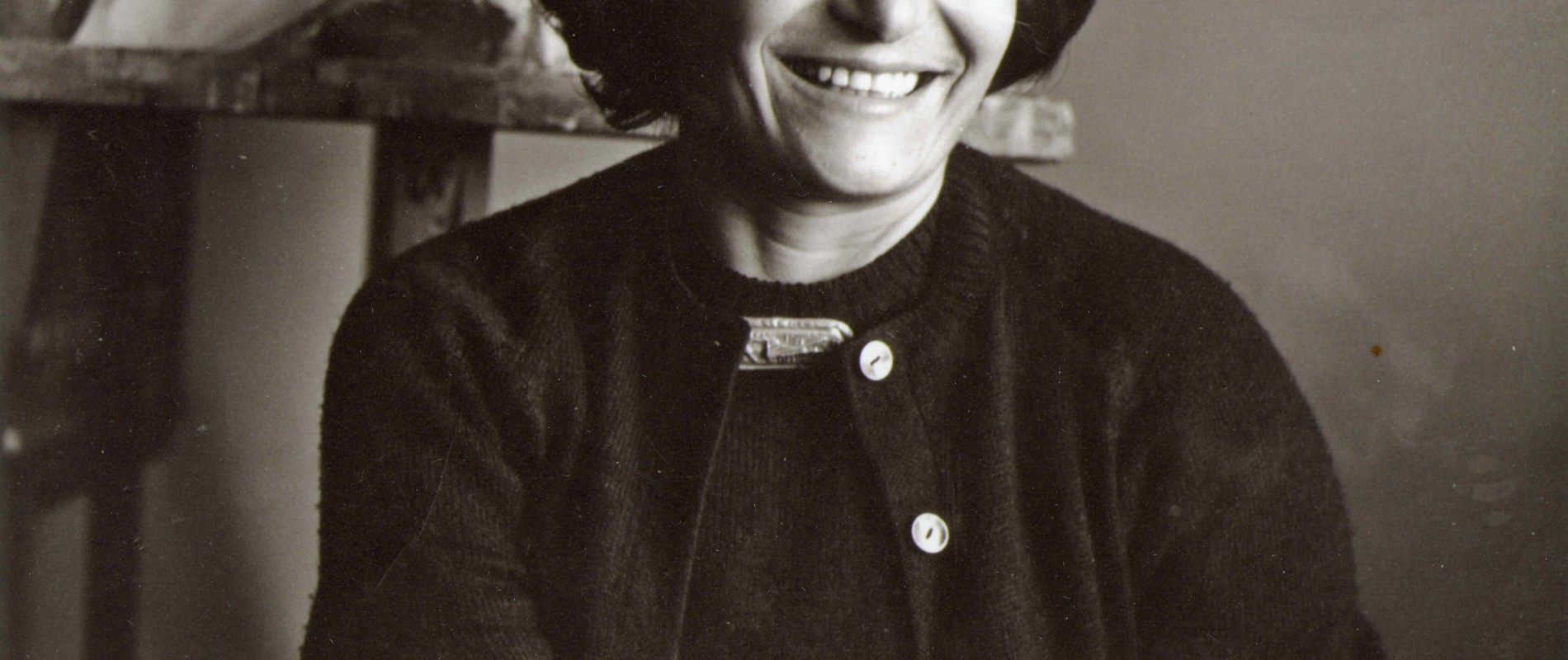
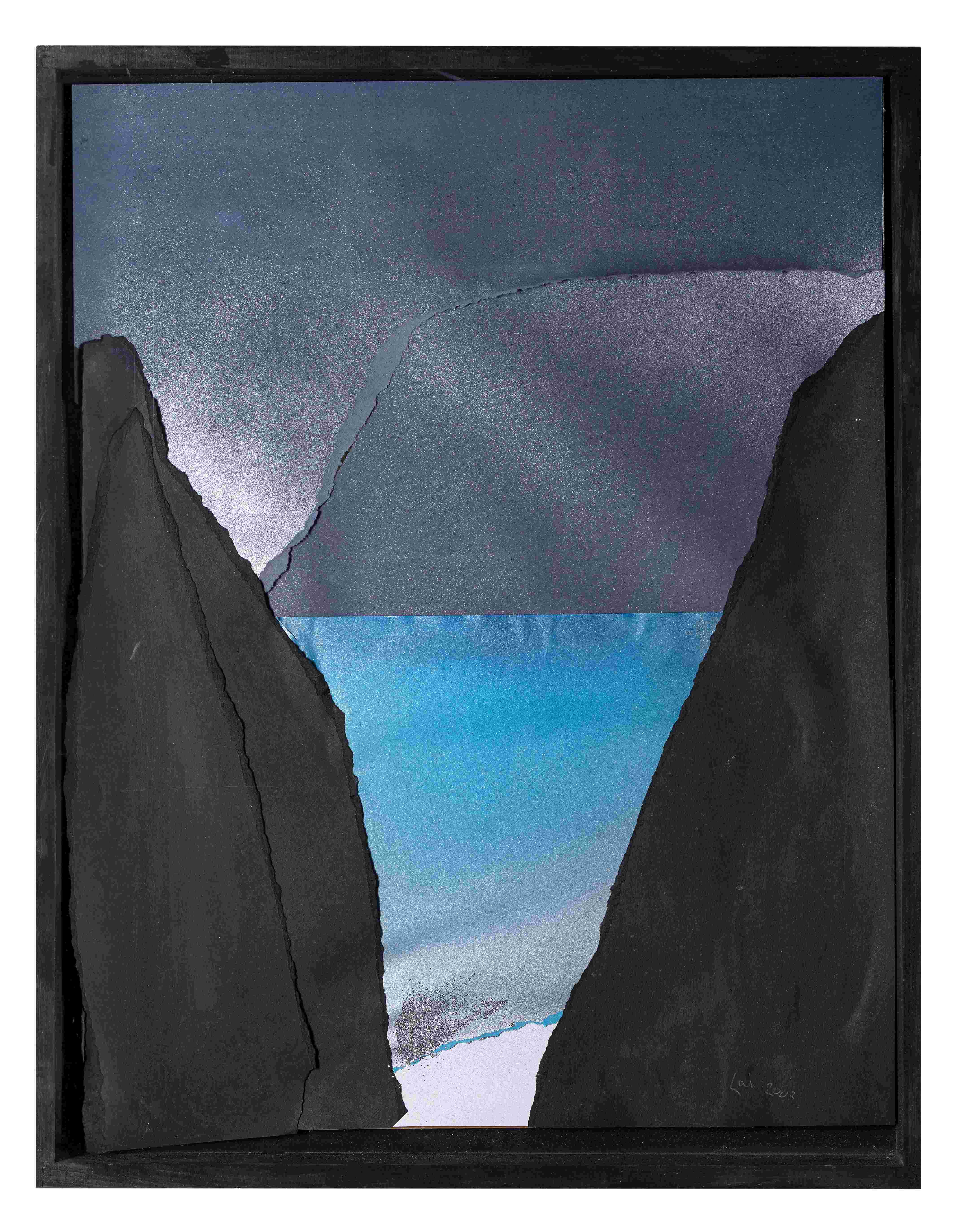
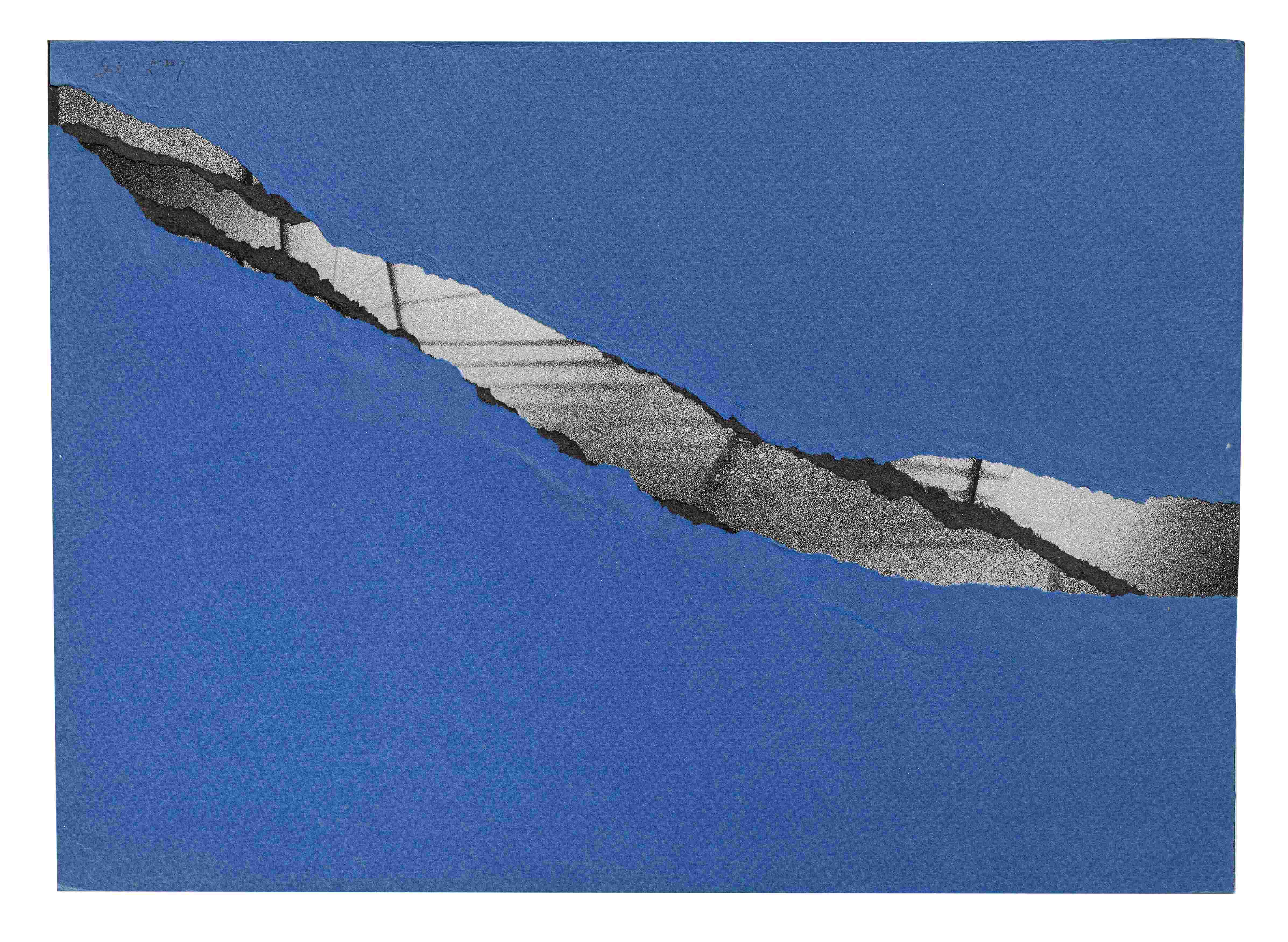
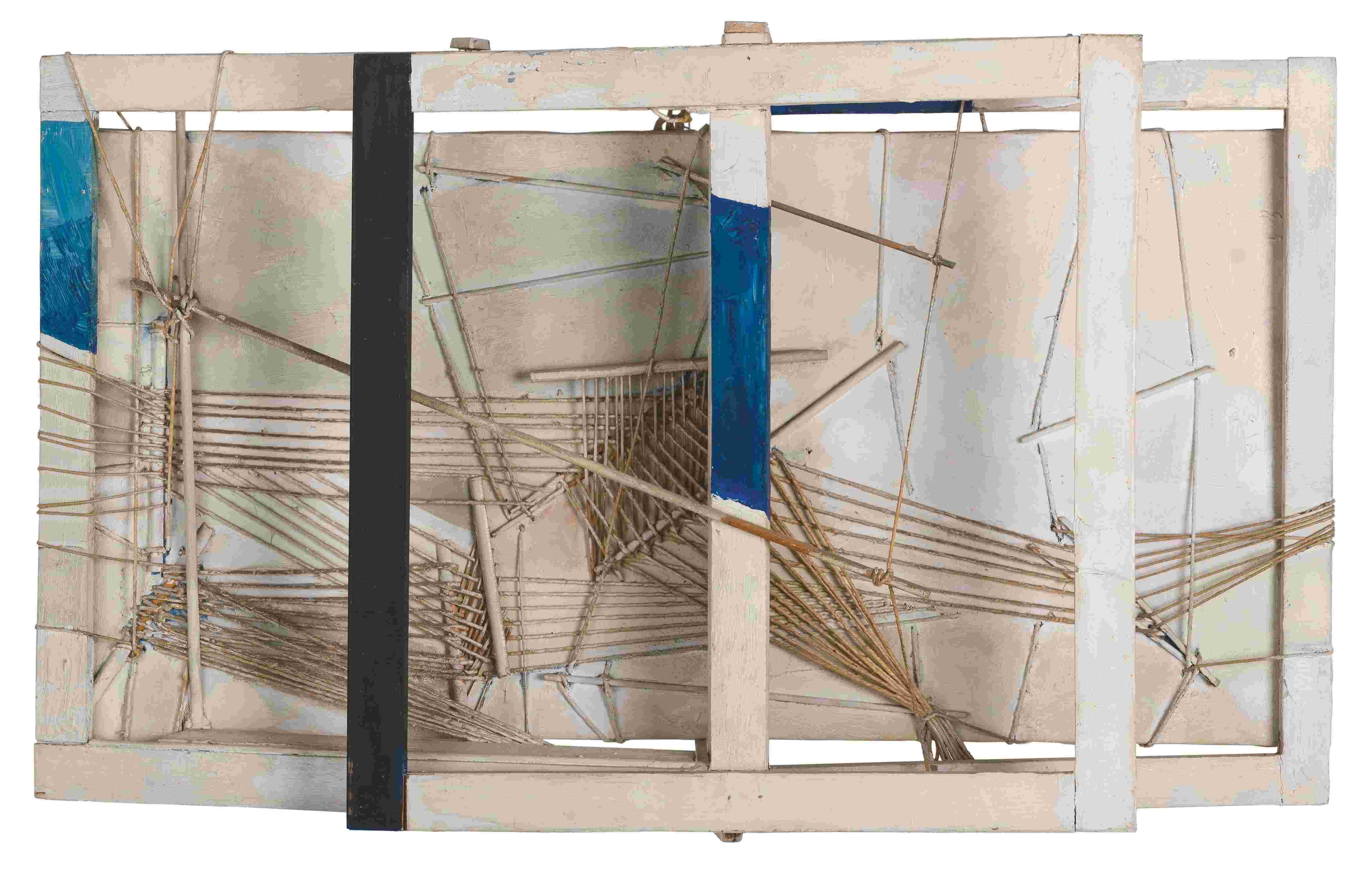
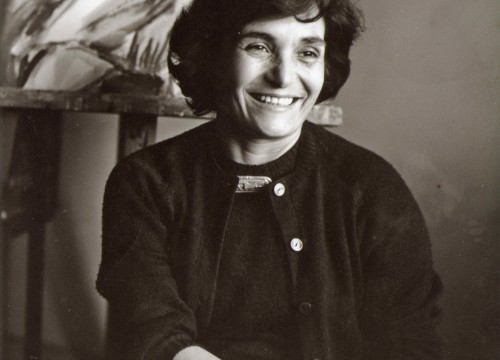
Maria Lai was born in 1919 in Ulassai, a tiny mountain village of just a few souls in Sardinia’s Ogliastra region. A land of vast spaces, silences, and legends that the artist could never forget. Not even when she was elsewhere: in Rome attending the art high school, or in Venice at the Academy of Fine Arts, studying under Arturo Martini. Then back to Rome, where she opened her studio. Those were the years of Arte Povera and Conceptual Art: in 1971, she exhibited her first Telai, and in 1978, she was invited to the Venice Biennale. In 2006, she inaugurated her own museum in Ulassai, La Stazione dell’Arte, donating over 150 works. In her final years, she settled in Cardedu, leaving us her work and spiritual legacy at the age of 94. “I seek cosmic spaces, skies, spaces far away yet tactile”; “It doesn’t matter if you don’t understand, just follow the rhythm.”
She demonstrates that infinity can be enclosed within the eye of a needle, provided one has the courage to thread it and start pulling
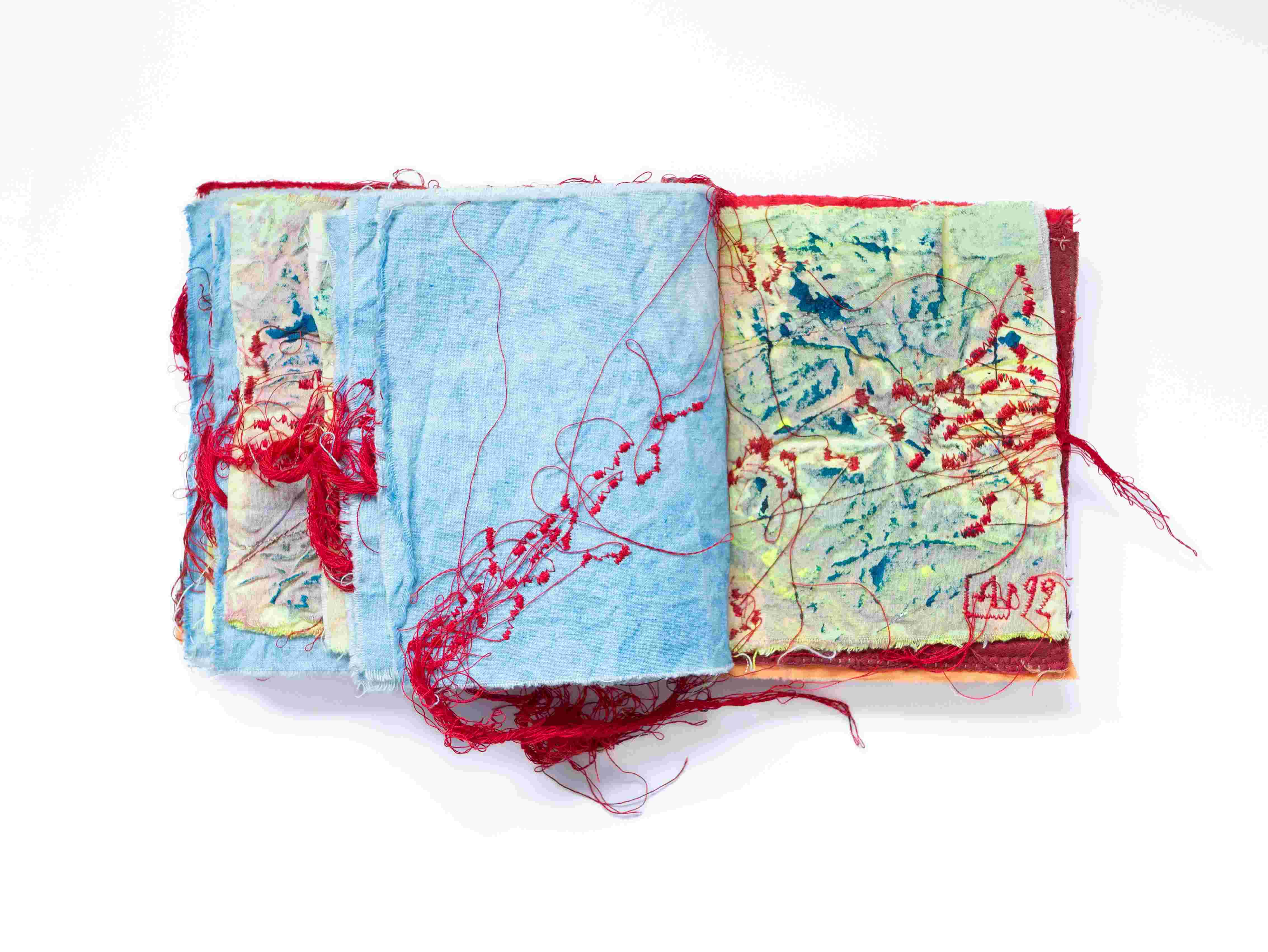
A rhythm that connects art to music, to the biological laws of the universe, to life. Like her island, her vocation possessed the solidity of granite and the sweetness of the sea; thus, in a world still defined by men, she knew how to turn tradition into avant-garde. Where Alberto Burri’s burlap sacks cry out the trauma of the flesh and the violence of matter, Maria Lai’s stitched canvases respond with the care of mending, with voids and silences. It is a restorative response to the very same existential wound. Two gazes crossing on the same threshold: the one where art ceases to represent the world and poetically becomes the very fabric of the world. Maria Lai demonstrates that infinity can be enclosed within the eye of a needle, provided one has the courage to thread it and start pulling. Her Telai, Fiabe, Pani, Libri cuciti - which cannot be leafed through without accepting the mystery of the thread binding the pages - and her embroidered Geografie are bridges cast over the void, metaphors of distant consonances and spiritual nourishment.
That "little goat eager for precipices," as her father used to call her, managed to be a pioneer of contemporary art along impervious paths, Solitary and free
In 1981, drawing inspiration from a local legend, she created Legarsi alla montagna: 27 kilometers of blue ribbon tied the houses of Ulassai to the mountain above, transforming the fear of landslides into a bond of solidarity. It stands as the first example of relational art in Italy. “Every work of art demands to be read not through explanation, but through metaphor, because metaphor is the only language capable of containing the invisible,” she never tired of repeating. This urgency emerges with anthropological power in the major retrospective “Maria Lai: Being is Weaving” (running until September 21st) at the Madre Museum, curated by Mónica Amor and Carlos Basualdo. The exhibition showcases six decades of research, featuring many previously unpublished documents. That “little goat eager for precipices,” as her father used to call her, following impervious paths, knew how to be a pioneer of contemporary art - solitary and free.




![FRIDA KAHLO - Untitled [Self-portrait with thorn necklace and hummingbird] 1940, Nickolas Muray, Collection of Mexican Art](/sites/default/files/styles/latest_articles/public/articoli/what/mythical-frida-london-major-kahlo-exhibition-tate-modern/mythical-frida-london-major-kahlo-exhibition-tate-modern.jpg?itok=lTX1uQ5J "FRIDA KAHLO - Untitled [Self-portrait with thorn necklace and hummingbird] 1940, Nickolas Muray, Collection of Mexican Art")