On display, 38 large-scale canvases, each dedicated to well-known or forgotten female figures
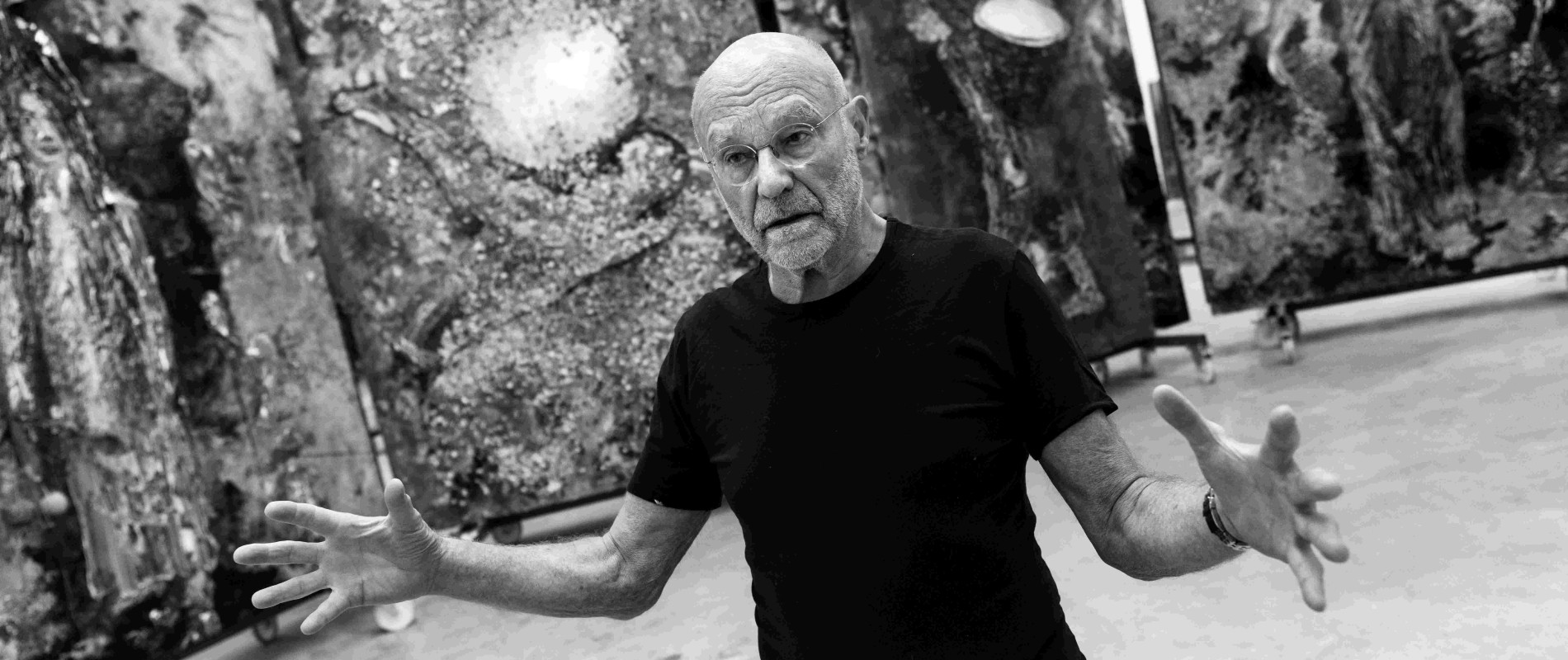
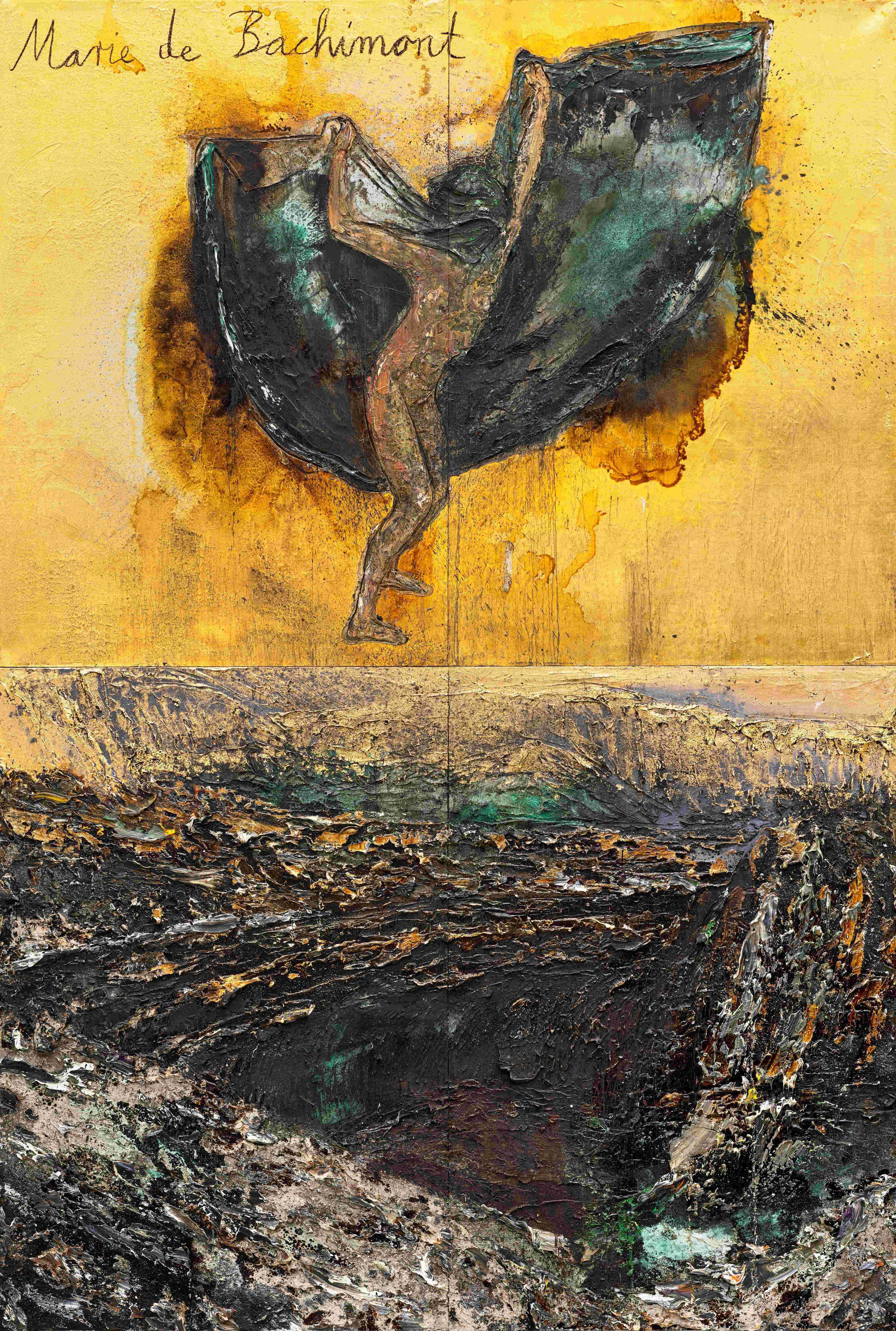
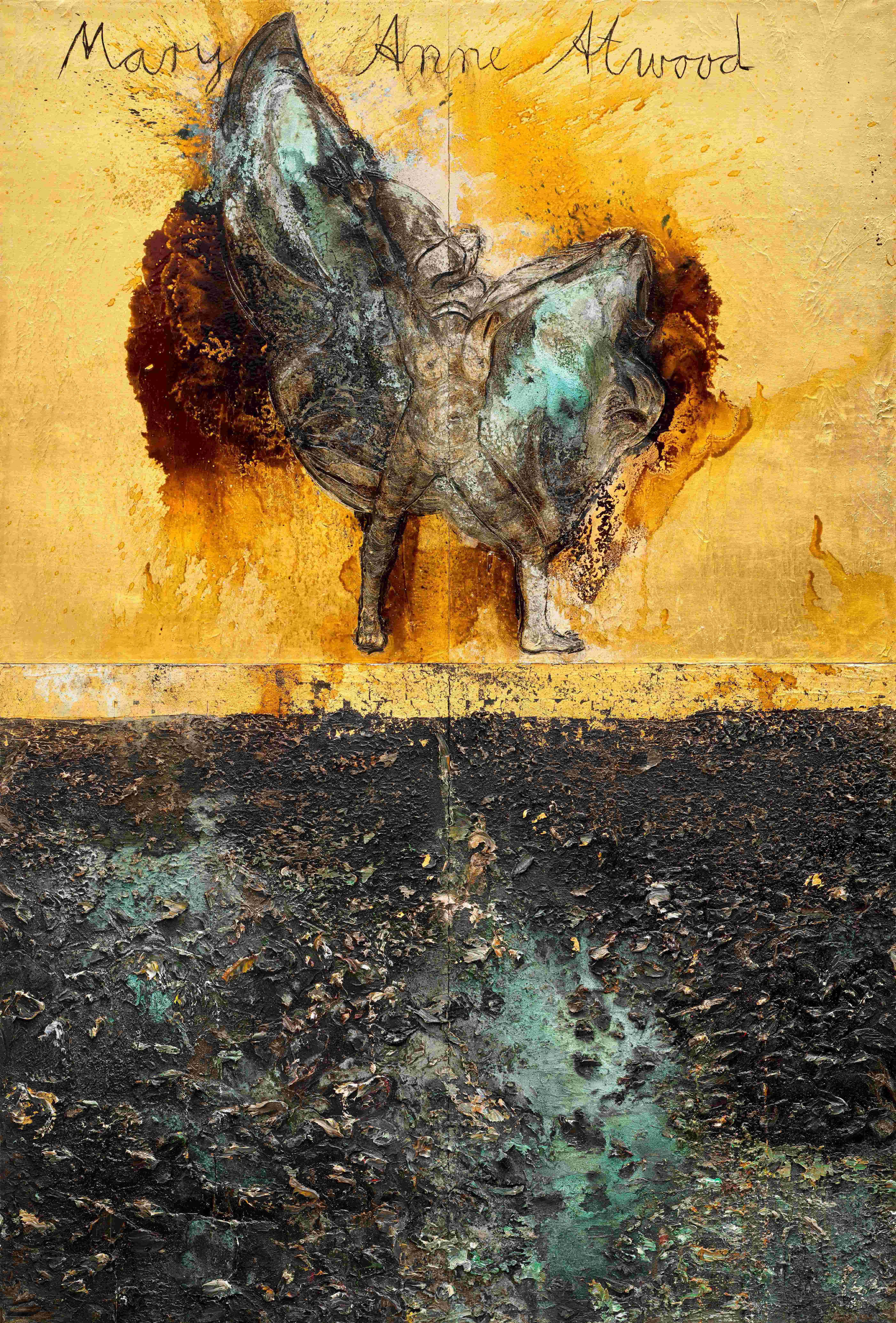
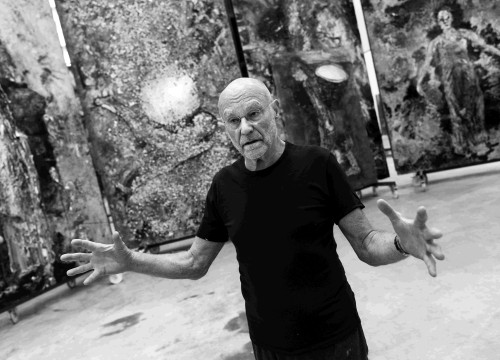
Following the 2004 installation of The Seven Heavenly Palaces at Hangar Bicocca, Anselm Kiefer returns to Milan until September 27, 2026, with the exhibition “Le Alchimiste” (The Alchemists). Curated by Gabriella Belli, the show is hosted at Palazzo Reale inside the Sala delle Cariatidi. Fifty-six years after his first exhibition at the Galerie Am Kaiserplatz in Karlsruhe, Kiefer presents 38 large-scale canvases (570 x 280 cm), each dedicated to both renowned and forgotten female figures - from Milan’s own Caterina Sforza, an alchemist ante-litteram, to Isabella Cortese, Marie Meudrac, Rebecca Vaughan, and Mary Anne Atwood, to name a few. The German artist captures the genius loci of a space reborn after the 1943 bombings, which left visible wounds and mutilations on the 40 caryatides arranged in the homonymous hall.
The female alchemists also serve as a premise for Kiefer to reconstruct CHRYSOPOEIA
This represents yet another act of redress towards both the female world and the concept of site-specific art. The caryatides, figures originally from the Peloponnesian city of Caryae, were condemned to support architectural structures as punishment for betraying their Greek homeland, according to legend. In 1953, this same hall hosted quintessential anti-war paintings, such as Guernica and Massacre in Korea (the latter inspired by Goya’s The Third of May), during the landmark exhibition dedicated to Picasso. The desire to redress the oblivion that has shrouded these female figures - viewed by the artist as Athanors, the furnaces where alchemical processes begin, due to their creative capacity - manifests once again, echoing his previous series Women of the Revolution (1992–2013) and the sculptures of the Women of Antiquity cycle (1998–2023).
He aims to redress the oblivion that has affected female figures, viewed by the artist as Athanors
“Le Alchimiste” also serves as a premise for Kiefer to reconstruct the history of this discipline: Chrysopoeia (from the Greek, the ability to transmute base metals into gold). While historical chronicles trace its birth to Greco-Roman Egypt in the 3rd century AD by the hand of Zosimos of Panopolis, it was actually Mary the Jewess who anticipated him, inventing numerous chemical and alchemical apparatuses long before Paracelsus. On this occasion, the artist also offers a metalinguistic reflection, given that his own working process directly involves alchemical principles: the transmutation of matter (poor materials, combustion, oxidation, and sedimentation), gold as light (the use of gold pigments as a symbol of spiritual redemption and individual elevation), and the open-ended process (paintings viewed as laboratories in constant evolution, where the artist intervenes through trial, error, and accumulation).
The very methodology of his work involves alchemical principles: the SAME of matter, gold, and the open-ended process

![FRIDA KAHLO - Untitled [Self-portrait with thorn necklace and hummingbird] 1940, Nickolas Muray, Collection of Mexican Art](/sites/default/files/styles/latest_articles/public/articoli/what/mythical-frida-london-major-kahlo-exhibition-tate-modern/mythical-frida-london-major-kahlo-exhibition-tate-modern.jpg?itok=lTX1uQ5J "FRIDA KAHLO - Untitled [Self-portrait with thorn necklace and hummingbird] 1940, Nickolas Muray, Collection of Mexican Art")