The history of Guggenheim’s first gallery is retraced through artworks, documents and archival material
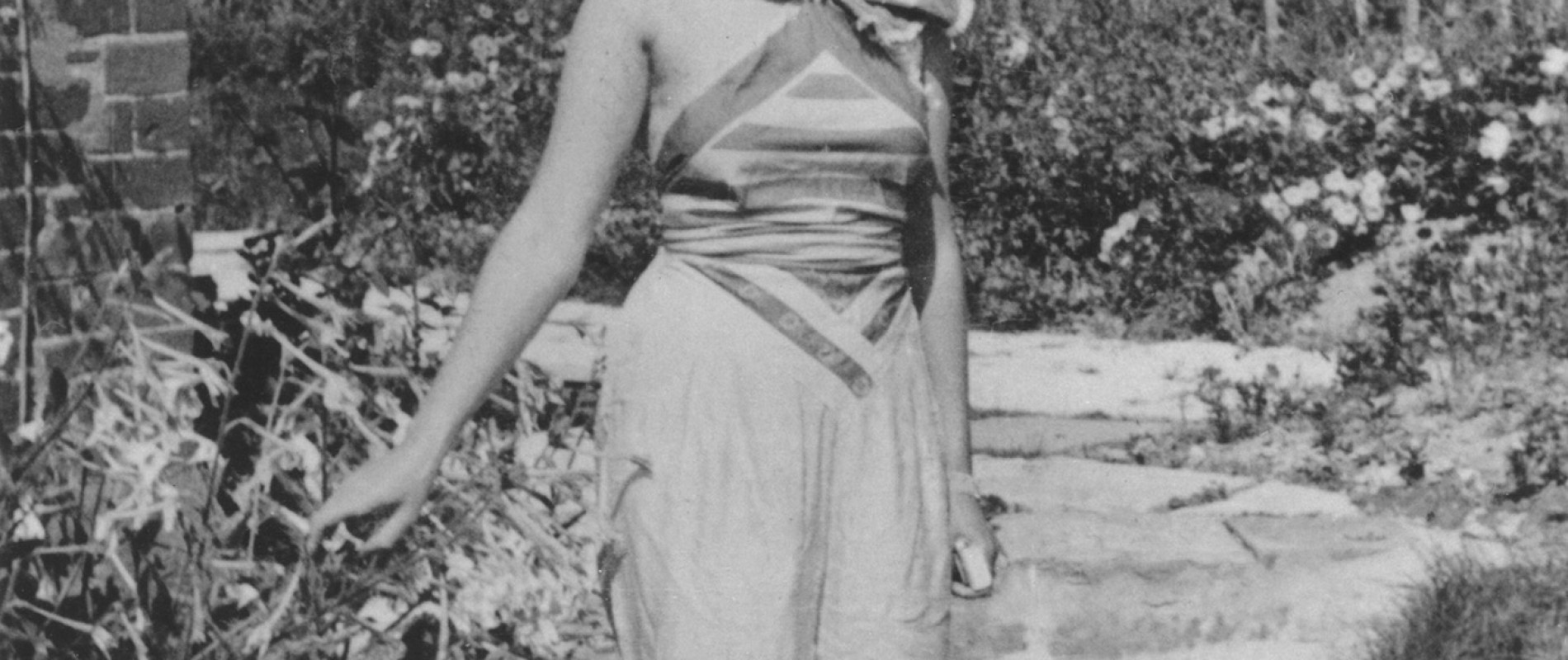
Between 1938 and 1939, Peggy Guggenheim, scion of the wealthy New York family of the same name, opened her first art gallery in London at 30 Cork Street: Guggenheim Jeune. The event marked her metamorphosis from a wealthy art-loving patron into a central figure of 20th-century collecting. This journey forms the core of the exhibition “Peggy Guggenheim in London. Birth of a Collector”, running until October 19th at the Peggy Guggenheim Collection in Venice. The exhibition retraces a season in the life of the eccentric American millionaire who, in just eighteen months - from January 1938 to June 1939 - succeeded in establishing Guggenheim Jeune as a leading reference point for the European artistic avant-garde, which was defining the language of modern art during those very years.
In just eighteen months, she would turn Guggenheim Jeune into a benchmark for the European avantgarde
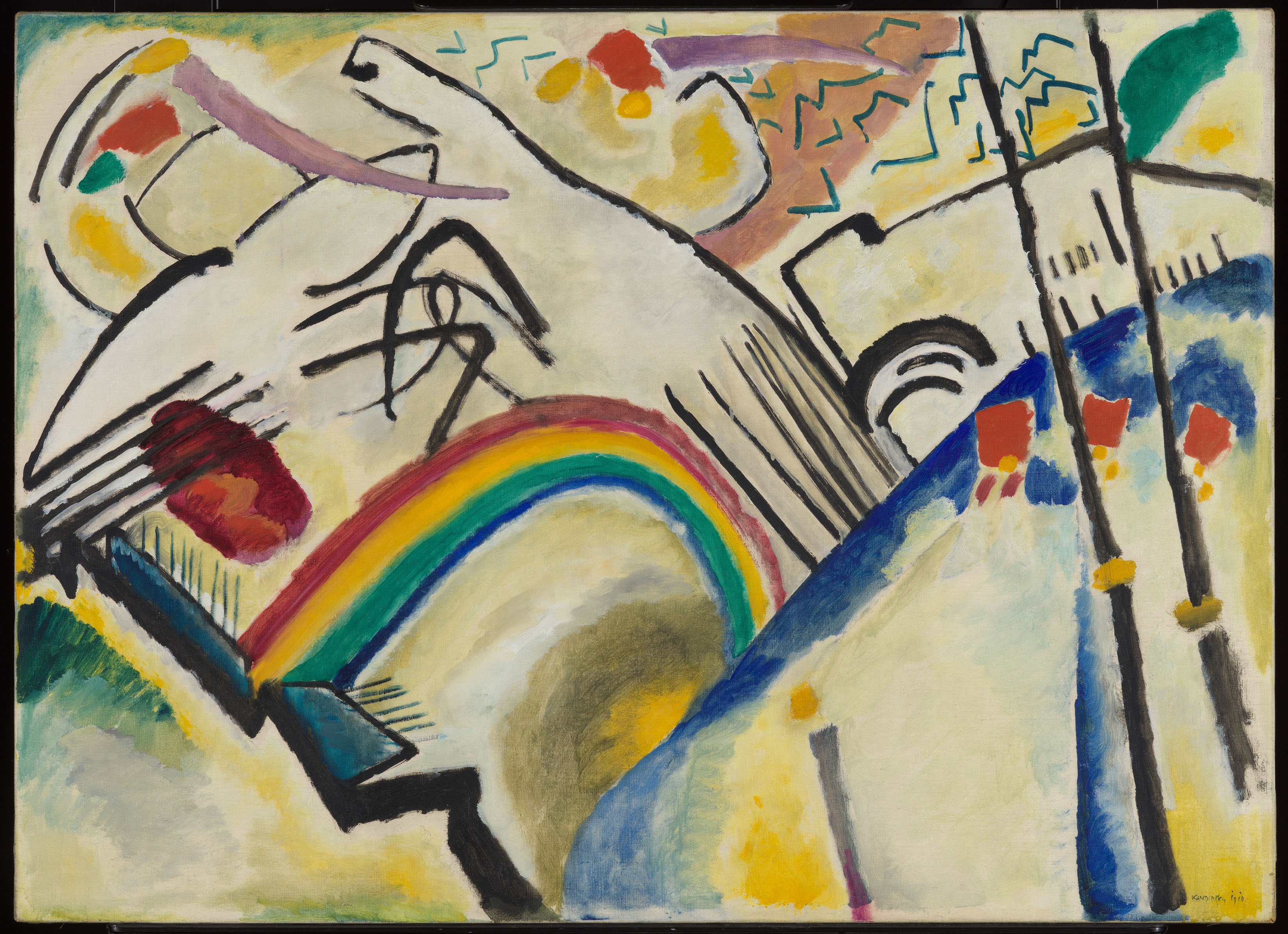
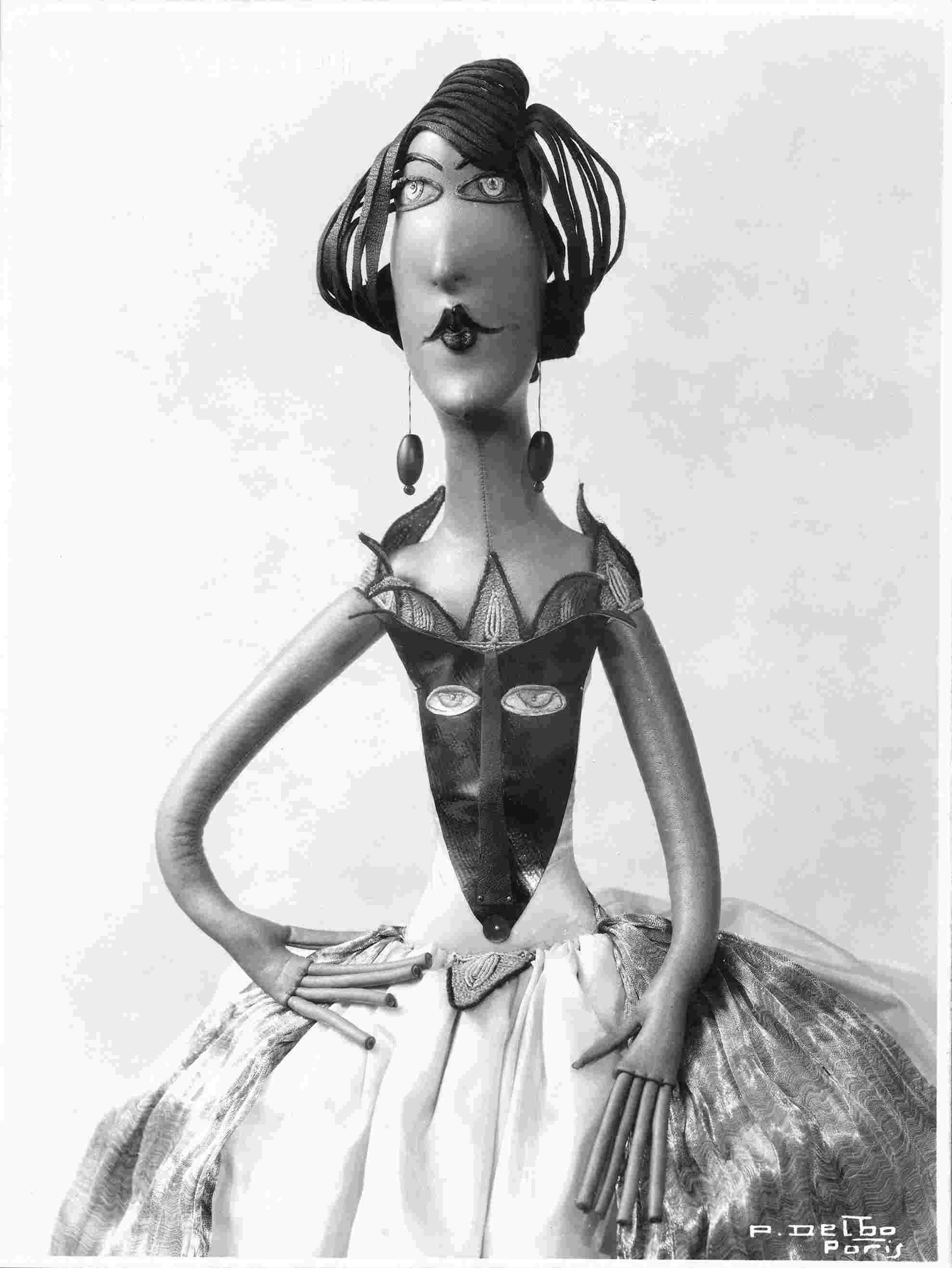
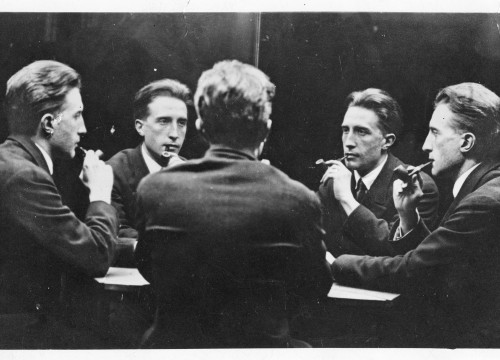
Through artworks, documents, and archival materials, the exhibition reconstructs the cultural climate of a London that was still deeply conservative on the eve of World War II, while capturing a world on the brink of a brutal transformation that would alter it forever. The extravagant Peggy with her butterfly glasses did not do it all alone. She was adept at forging key personal relationships that refined her artistic sensibility: from Marcel Duchamp, her friend and advisor, to intellectuals Samuel Beckett and Mary Reynolds. Driven by an innovative spirit of experimentation that mirrored its founder’s character, Guggenheim Jeune hosted, among others, Wassily Kandinsky’s first solo show in London and an exhibition dedicated to Jean Cocteau. It also featured an exhibition of artworks created by children - something unprecedented for the time - which included a painting by a young Lucian Freud.
The extravagant Peggy, famous for her butterfly glasses, was skilled at forging major relationships with figures like Marcel Duchamp, Samuel Beckett, and Mary Reynolds
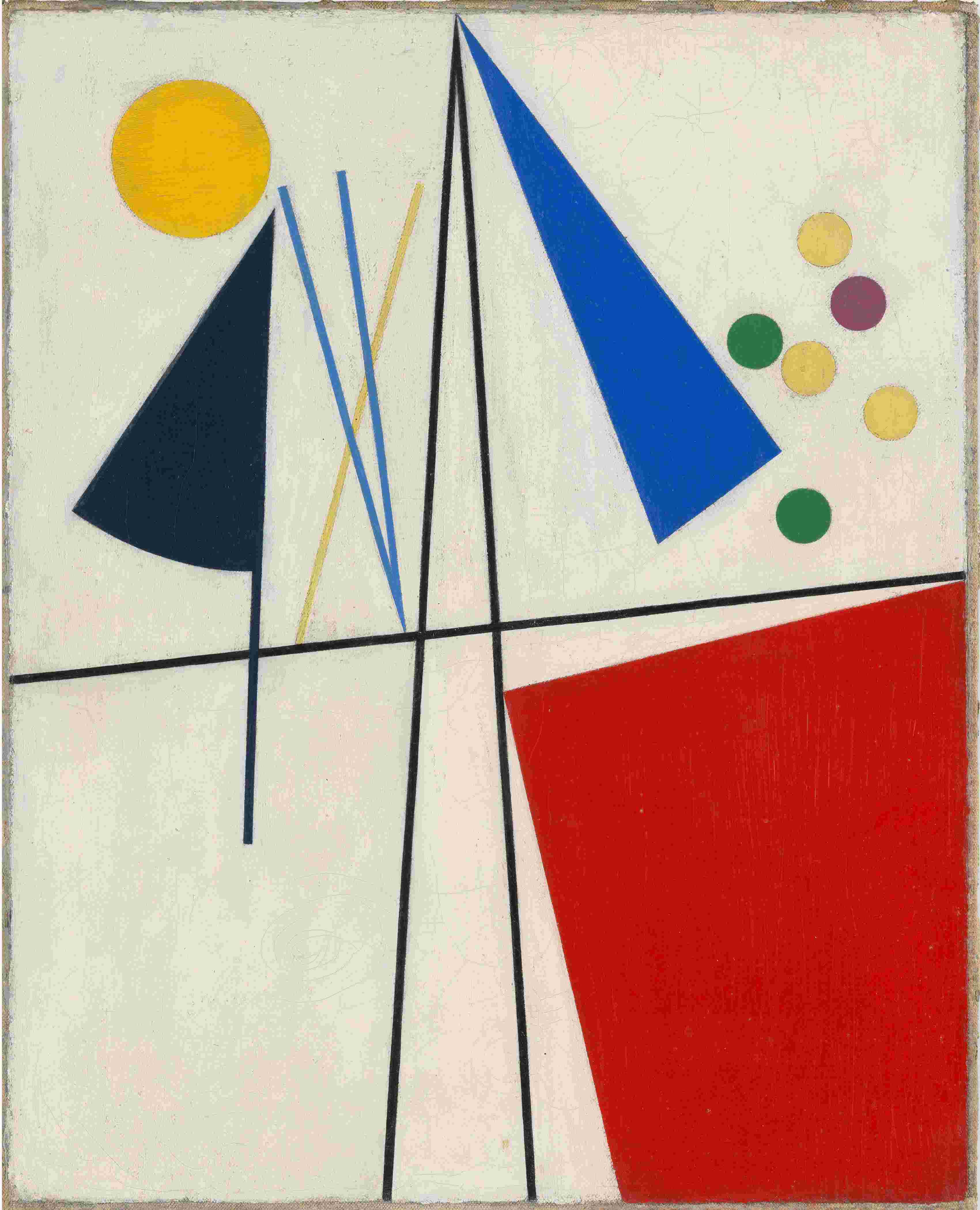
The London experience would help equip Peggy with that keen instinct for artistic talent that, during her post-war years in Venice, allowed her to bring together one of the most extraordinary art collections of the 20th century. On display, in fact, are works by artists she would collect later on, including Jean Arp, Wassily Kandinsky, Piet Mondrian, and Henry Moore. Nearly ninety years after the opening of the London gallery, the lagoon city celebrates one of the most important collecting adventures of the last century. Its protagonist was a woman who, in an era when gender equality was a distant prospect, did not propose deleting suffixes from the dictionary in the name of a depersonalizing formal homogenization; instead, with undeniable originality, she imposed her own artistic vision - one that would successfully capture and shape the taste of an entire era.
The London experience sharpened her eye for talent, which would later enable her to assemble one of the 20th century's most extraordinary art collections